
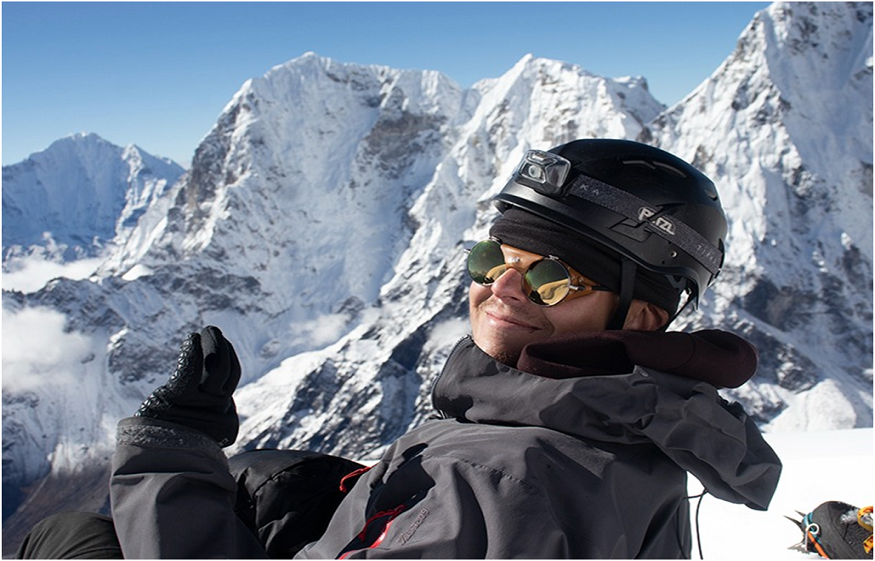
Nepal is a country of mountains and magic where people walk for many days just to see giant peaks and feel the calm of the sky. This place is so beautiful that many trekkers are saying one time is not enough. They say trekking here makes you small but happy, and you feel a connection with the land and people and snow—everything. And in Nepal there are two super famous adventures that feel like two kings of the trekking world: one is Everest Three Pass, and the second is Annapurna Circuit. Both are so different and both are so amazing, and many people cannot decide which one to do because both are dreams. And I will tell in very human and messy language how these journeys feel and why they become like memories for a lifetime.
Nepal trekking is not just walking; it is a life experience. You walk and breathe the thin air and eat dal bhat and see temples, prayer flags, village life, yak bells, and mountains, all in the same day. You talk with locals, you meet other trekkers, you struggle with altitude, you become stronger, and you feel like a mountain lion. And at the end of the trek, you don’t want to go home.
Annapurna Circuit Trek
The Annapurna Circuit Trek is one of the most famous routes in the entire world; many people say it is the top trek ever. It goes around the whole Annapurna massif, like you make a big circle around a mountain family. In this trek, you see rice fields, jungle, cliffside villages, waterfalls, apple orchards, high desert, snow valley, and Thorong La Pass at 5416 m, which is very cold but very rewarding. When you walk here, you feel different weather, different scenery, and a different mood every day. One day warm and green, the next day dry and dusty, and the next day white and frozen.
Many trekkers love the Annapurna Circuit because it is a cultural and adventure mix. You meet Gurung, Thakali, and Manangi people, and they have hospitality that feels warm like a chimney fire. You stay in tea houses that are simple but friendly, with a wood stove in the center and everyone sitting around like family. The air smells like wood burning and Tibetan bread frying and ginger lemon honey tea. The feeling is so peaceful.
You walk through small villages like Dharapani, Chame, Pisang, and Manang. In Manang you spend an acclimatization day. You rest but actually not rest; you still walk a little, but slowly, and drink tea, and talk with locals. The mountains there look giant, like sleeping gods. You also see Gangapurna glacier lake that is blue like crystal.
And the biggest challenge is crossing Thorong La Pass. Many trekkers wake up early, like 4am or 5am, to start climbing before the wind becomes strong. The sky was dark and cold, with headlamps shining like little stars on the trail. Snow crunching under boots. Breathe heavily. Step by step, slowly. But when you reach the top of the pass and see the sign written ‘Thorong La 5416m’ with prayer flags fluttering and the view open, you feel like you have conquered the world. Many people cry, many laugh, and many hug strangers. It becomes a moment of strong feeling.
Everest Three Pass Trek
The Everest Three Pass Trek is maybe the hardest trek in Nepal but also the most epic, because it combines many places in the Everest region. In this one trek, you cross three high passes: Kongma La, Cho La, and Renjo La. These are like gates to different mountain kingdoms. Each pass gives you a different angle and a different mood of the Himalayas. And between them you visit the lakes of Gokyo, Everest Base Camp, and the Kala Patthar viewpoint.
On the first day, you start with a flight to Lukla. Lukla airport is tiny and crazy; the plane lands like it lies on a mountain shoulder. After landing, you start walking through Sherpa villages. You see many stones, prayer flags, and yak caravans. You pass Phakding, then climb to Namche Bazaar. Namche is like the main hub of the Everest region, a mountain market town. People selling gear, bakeries making cakes, cafes with Wi-Fi (sometimes), and trekkers everywhere sharing stories.
From Namche you continue to Tengboche, where there is a monastery. Monks chanting with deep vibration. View of Ama Dablam shining like the queen of mountains. Then to Dingboche and Lobuche, and then Kongma La Pass. This pass is tough because there are not many teahouses along the way, and you need endurance. But the view is unbelievable: Nuptse, Lhotse, and Makalu are all showing their faces.
Then you reach Everest Base Camp. This is so emotional for many. The ground is rocky and glacier-filled. You see colorful tents in climbing season. You stand close to Khumbu Icefall, which looks like a frozen wave of death and beauty. Then later you go to Kala Patthar for sunrise or sunset. There you see Everest shining golden. People take photos but then also stand quietly because no photo catches that feeling.
In the next part, Cho La Pass is icy and steep. But after crossing, you reach Gokyo Lakes. These lakes are turquoise and calm, like a mirror of heaven. And Renjo La is maybe the best viewpoint of the entire trek because you see Everest, Lhotse, Makalu, and Cho Oyu all together in a straight line like giants guarding the sky.
This trek tests you. But also reward you deeply. After finishing, you feel like you changed as a human.
Mardi Himal Trek
The Mardi Himal trek is a shorter, quieter, and more secret-like journey compared to the Annapurna and Everest treks. For a long time, this trail was not very well known, but now more and more trekkers enjoy it. Still, it is less crowded than other big names. This trek goes in the Annapurna region but much closer to the mountain wall. It feels like you walk on a high ridge watching the whole jungle-cloud-mountain drama below your feet.
You start from Pokhara usually, then drive to Kande, then walk through a forest with moss and rhododendron. You see monkeys sometimes. You hear birds. The trail was soft and earthy. After reaching Forest Camp, then Low Camp, then High Camp, you begin seeing Machhapuchhre (Fishtail Mountain) very close. This mountain looks like a sentinel of the Annapurna region, which is very sacred to locals.
In the morning at high altitude, the sun lights up the Machhapuchhre and Himalaya ranges like a painting. The air is crisp and thin. The best part of the Mardi Himal trek is the feeling of intimacy with the peaks. You are not in a large valley looking far at mountains, but right under them. You feel like you can touch snow with your breath.
Many trekkers love this trek because it is calm, with fewer people, and offers many moments of silent reflection. And tea houses here may be small but feel special because of the view from the window: just a white, endless mountain.
Everest Base Camp Trek
The Everest Base Camp Trek is a classic of classics. This is a trek that most people know by name. It is not extreme like Three Pass, but still demanding. And millions of dreamers come to Nepal just for this one. This trek is an emotional pilgrimage to the foot of the world’s highest mountain. You pass through Sherpa land, learning culture where mountains are sacred, not just objects.
The journey begins with Lukla again. Then Namche Bazaar, Tengboche, Dingboche, Lobuche, Gorak Shep, and finally EBC. Each day the altitude rises slowly, letting the body adjust. The trail has prayer wheels and stupas and fluttering flags carrying prayers with the wind across the valley.
When people reach Everest Base Camp, they often shout, laugh, cry, sit quietly, or just stare. Because they realize they are standing below Everest like small creatures looking at a huge cosmic monument. The glacier cracks, ice groans, and wind whispers. Feeling is giant.
This trek is about achievement but also about humility. Many trekkers say that mountains teach that humans are tiny, and that is okay.
Comparing Feelings of Trekking Routes
Each trek has its own personality. The Annapurna Circuit feels like a journey through different worlds. One day tropical, one day desert, one day frozen. Everest Three Pass feels like an intense fight with altitude and ambition. Mardi Himal feels like quiet meditation. Everest Base Camp feels like a dream pilgrimage.
Annapurna gives variety. Everest Three Pass gives a challenge and an ultimate view. Mardi gives peace. EBC gives iconic bragging rights and heartfelt memories.
When trekkers talk in teahouses at night, they share stories. Some say Annapurna is best because of its cultural richness. Some say Everest Three Pass is best because of the raw thrill and huge panorama. Some love Mardi because it feels personal. And some say EBC because every human must see Everest at least once.
People You Meet on the Trail
One of the big treasures of trekking Nepal is not just mountains but people. The Sherpa, Gurung, Tamang, and Thakali communities are warm and honest. They smile easily. They share hot tea and stories. They help you when you are tired. They say “bistare bistare,” which means “slowly slowly,” and this word becomes the philosophy of the trek.
You also meet travelers from around the world. Young people, old people, experienced hikers, beginners, and adventure seekers. Many friendships start on the trail. Many phone numbers were exchanged at the end. Some return every year to walk together again.
Food, breathing, fatigue, joy
Food on the trek is simple but feels delicious after a long walk. Dal bhat gives energy. Garlic soup helps with altitude. Noodles warm the stomach. Pancakes feel like luxury. And tea is everything: masala tea, ginger tea, and lemon honey tea.
Breathing becomes a thing you notice always. At altitude, each breath feels earned. Fatigue sits on legs, but then the view removes pain. Joy jumps into your chest when you see peak after peak shining.
You come back from a trek, and normal life feels too quiet. You miss the crunch of boots on the trail. You miss the smell of yak dung fires. You miss cold air biting cheeks. And you miss that feeling when you see a mountain in the morning.
Which Trek Should I Choose?
If someone wants diversity of landscapes and cultural mix, the Annapurna Circuit is perfect. If someone wants an extreme challenge and the biggest mountain views, Everest Three Pass is powerful. If someone wants a peaceful and close-up perspective, Mardi is gentle. If someone wants a famous and emotional destination, Everest Base Camp is a dream.
Some trekkers say the best plan is to come to Nepal multiple times and do all of them, one year, one trek. Because each one shapes your mind differently.
Final Thoughts
Nepal trekking is more than a holiday. It is spiritual. It is a challenge. It is friendship. It is nature connection. When you walk day after day, you forget old worries. You realize life can be simple. Steps, breath, water, food, sleep, mountain. That is all. And that is enough.
Whoever walks these treks will return with a memory like a tattoo on the heart. The Himalaya does not leave you. It stays inside like an echo of wind between ridges. And someday you wake up far away in a city, but your mind is still walking with prayer flags and clouds and snowy giants.
Contact Details
Company address: Everest Trekking Routes Pvt. Ltd.
16 Khumbu, Nayabazaar, Kathmandu, Nepal
Mobile : +977-9843467921 (Rabin)